


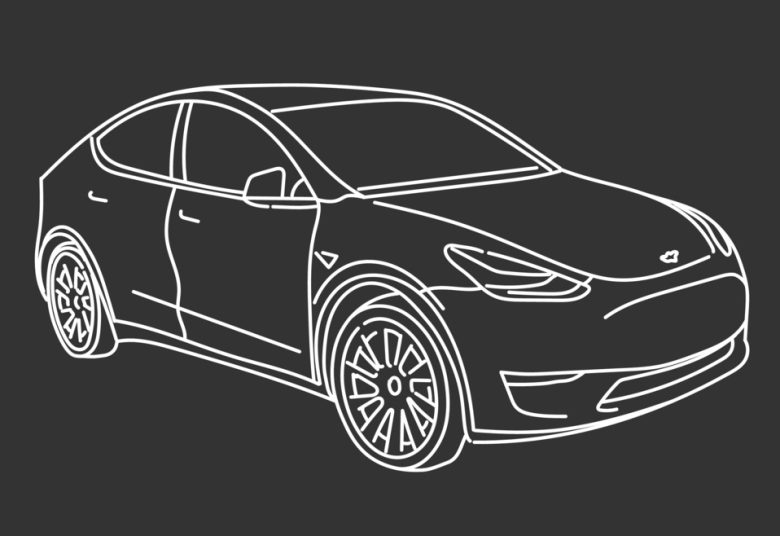
The Model Y has been the UK’s best-selling electric car for four years running now. If you’ve just picked one up, or you’re about to, one of the first things you’ll want to sort out is a charging cable.
I’ll keep this simple.
Does the Model Y come with a cable?
It depends on when you bought it. Earlier deliveries in the UK came with a 3-pin granny charger and a short Type 2 cable. More recently, Tesla stopped including them. You’re now expected to buy the Mobile Connector and Type 2 cable separately from their shop.
Even if yours did come with a cable, it’s probably a 4-metre one. That’s fine if your wallbox happens to be right next to the charge port, but the moment you park the other way around or your charger is a few metres away, you’re stuck.
What cable does a Model Y actually need?
A Type 2 to Type 2 cable to charge from a home charger. That’s it. Such as this one:
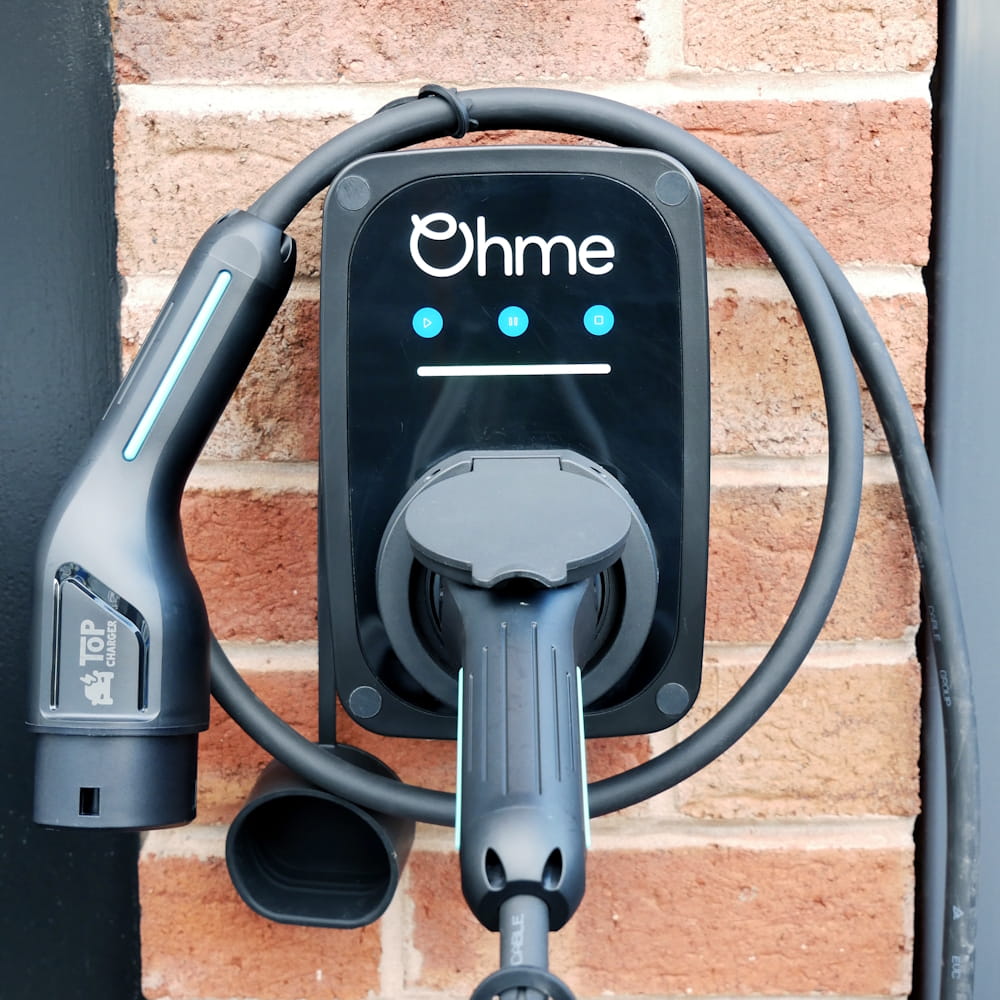
If you like the look of that cable, it’s ours, retailing at £106.99 (7 metres, 7.2kW). Visit our Top Charger Type 2 cable product page page for the deets.
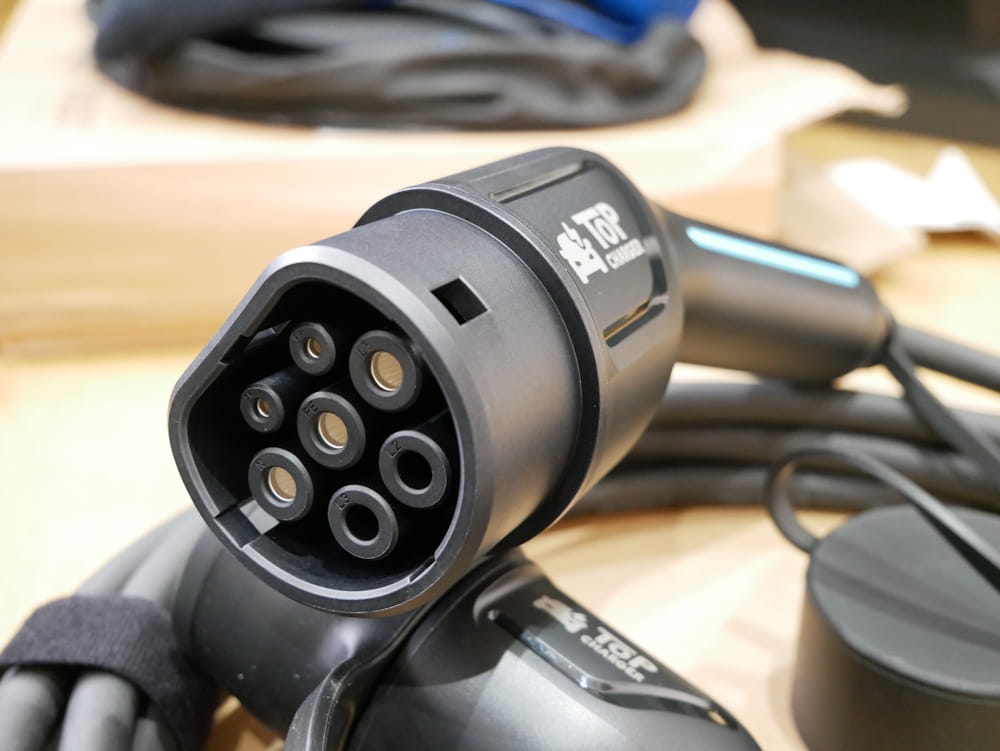
Moving on. The Model Y uses the same standard Type 2 (Mennekes) connector as every other electric car sold in the UK. There’s nothing Tesla-specific about the charging port on the AC side, so you don’t need a Tesla-branded cable. Any decent Type 2 to Type 2 cable will do the job.
You’ll need one for:
- Home wallbox charging (untethered chargers like the Ohme ePod)
- Public AC chargers (the 7kW and 22kW ones you see in car parks and on streets)
- Workplace and destination chargers (hotels, supermarkets, that sort of thing)
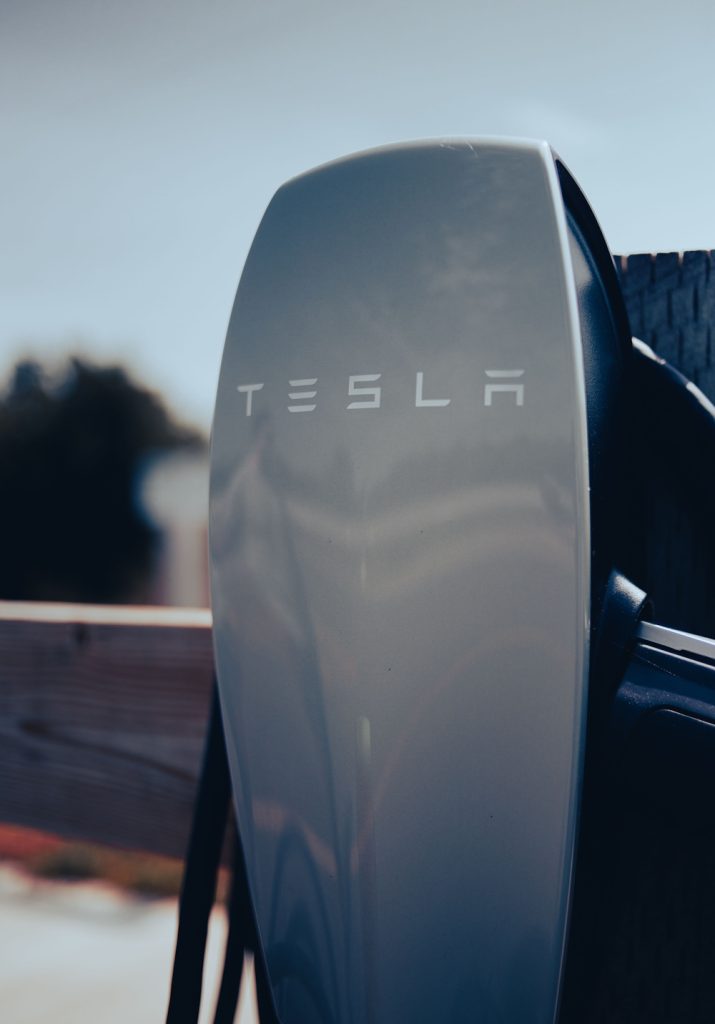
For Superchargers and other rapid chargers, the cable is built into the unit. You just pull it out and plug in. No need to bring your own.
Here are the public charging specs for the Tesla Model Y in 2026:
- Supercharging Max: 175 kW Max
- Payment Type: Pay Per Use
- Charging Speed: Up to 162 miles added in 15 minutes (based on constant speed data)
- Global Superchargers: 80,000+
- Supercharger Uptime: 99%
- Power Consumption (official): 13.8 kWh/100 km
How fast does it charge?
About 95% of UK homes are single-phase, which maxes out at 7.4kW.
Here’s a table of the Tesla Model Y home charging specs:
| Variant | Battery | Max AC | Max DC | WLTP Range | Connector |
|---|---|---|---|---|---|
| Standard Range (RWD) | 60 kWh | 7.4 kW (single-phase) | 170 kW | ~283 miles | Type 2 |
| Long Range (AWD) | 75 kWh | 11 kW (three-phase) | 250 kW | ~331 miles | Type 2 |
| Performance (AWD) | 75 kWh | 11 kW (three-phase) | 250 kW | ~319 miles | Type 2 |
So in reality, most Model Y owners in the UK charge at 7kW to 7.4kW at home. At that speed you’re picking up roughly 24-28 miles of range per hour, which is more than enough to fully charge overnight.
The cable you want for this is a 32A single-phase Type 2. That’ll deliver the the 7kW rate your home supply can provide.
How long should the cable be?
The Model Y’s charge port is on the left rear, which is the passenger side on UK cars. Where your wallbox sits relative to that determines how much cable you need.
5 metres is tight. It works if your charger is right next to where you park and the cable doesn’t need to go around the car, but there’s barely any slack. I wouldn’t recommend it unless you’re certain about your setup.
7 metres is what most people need. It reaches comfortably regardless of which way you park, without leaving excess cable trailing on the ground. We surveyed 200 EV owners in 2025 and 85% said 7 metres was the right length. Only 5% needed more.
10 metres is overkill for most driveways. You’ll notice the extra weight and you’re paying more for cable you probably won’t use.
16A or 32A?
32A. Don’t overthink this one.
A 16A cable limits you to 3.6kW, which is half the speed your Model Y can accept on a single-phase supply. A 32A cable gives you the full 7.2kW.
And if your charger only puts out 16A? A 32A cable still works perfectly. It just delivers whatever the charger provides. There’s no downside to going 32A, and it future-proofs you if you ever upgrade your charger.
Can I use the same cable at public chargers?
Yep. Any untethered public AC charger with a Type 2 socket takes the same cable you use at home. Pod Point, Char.gy, Connected Kerb, GeniePoint, destination chargers at hotels and supermarkets. They all work.
Rapid chargers (50kW and above) have their own tethered CCS cables, so you don’t need anything for those.
Honestly, just keep a Type 2 cable in the boot. Then you’re covered wherever you end up.
What makes a good cable?
There’s a lot of cheap cables out there. Here’s what separates the good ones from the ones you’ll regret buying:
Certifications. UKCA, CE and TÜV as a minimum. If a cable doesn’t have these, I’d walk away. They confirm the cable actually meets British and European safety standards rather than just claiming to.
IP rating. IP54 or higher. You’re going to be plugging and unplugging this thing in the rain. It needs to handle that without any issues.
Cable material. TPU stays flexible in cold weather. Cheaper cables use PVC, which goes stiff in winter and becomes a pain to coil and handle. If you’ve ever wrestled with a rigid garden hose in January, you know the feeling.
Warranty. Most cables come with one year. A longer warranty, two or three years, tells you the manufacturer actually backs their product. It’s also a decent indicator of build quality.
Weight. A 7m 32A cable should weigh around 3.5kg.
So, what do you actually need?
A 7-metre, 32A, Type 2 to Type 2 cable. That’s the right setup for the vast majority of UK Model Y owners. Covers home charging, public charging, and everything in between.
If your Model Y didn’t come with one, or the one it came with is too short to be useful, this is one of the first things worth sorting. A good cable lasts years, and once you’ve got one that works, you don’t think about it again.
