


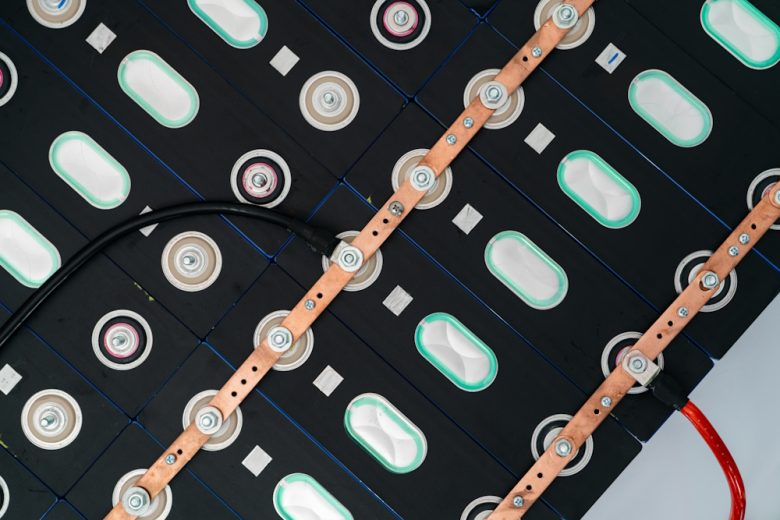


Even the oldest mass-produced EVs, now 10+ years old, have only seen 8.5% of their batteries replaced.
Fewer than four percent of EV batteries have ever been replaced, according to new figures from research firm Recurrent. That includes recall-driven swaps in the Chevrolet Bolt and Hyundai Kona EV.
Strip the recalls out and the picture sharpens further. First-generation mass-market EVs, now more than a decade old, sit at an 8.5 percent replacement rate.
Second-generation cars, including the original Bolt and Tesla Model 3, drop to two percent. Vehicles built since 2022 sit at 0.3 percent, though most are still under warranty.
The decade-old number is the one that matters. Those cars have had time to fail, and the vast majority haven’t.
The curve reflects rapid engineering progress. Cell chemistry, thermal management, charging software, and manufacturing precision have all advanced across three vehicle generations.
Most automakers also offer eight to ten-year battery warranties. Buyers are insulated from out-of-pocket replacement costs through the bulk of a typical ownership cycle.
Recurrent draws on vehicle telematics and public charging network data. The combination gives visibility into how packs behave across millions of real-world charge cycles.
A battery is considered worn out when capacity drops below 70 percent of original. Yet many EVs hit three years with full advertised range intact.
Automakers hold back a capacity buffer at the top and bottom of the pack. Software updates release portions of it as cells age.
Pair that with over-the-air efficiency tweaks and drivers often notice no decline at all. Range stays flat even as the underlying chemistry shifts.
The bigger story sits in the chemistry itself. Carmakers are moving from nickel-cobalt formulations to lithium iron-phosphate, known as LFP.
The motivation was cost and ethics. Cobalt mining carries documented human rights concerns and nickel pricing has been volatile for years.
Recurrent’s data adds a third reason. LFP packs are degrading less than nickel-based ones, judging from energy stored during charging sessions.
The comparison comes from 2022 and 2023 Tesla Model 3s. Rear-drive cars ran LFP. All-wheel-drive versions used nickel chemistry. LFP held up better.
Implications run beyond reassuring nervous buyers. Healthier used EV markets, steadier residual values, and a stronger economic case for electrification all follow.
Insurers, fleet operators, and lenders benefit from predictable degradation curves. The pivot to LFP, sold as a cost play, may prove a durability milestone.
Battery anxiety is starting to look like a problem from a previous era.
Source: Recurrent
