


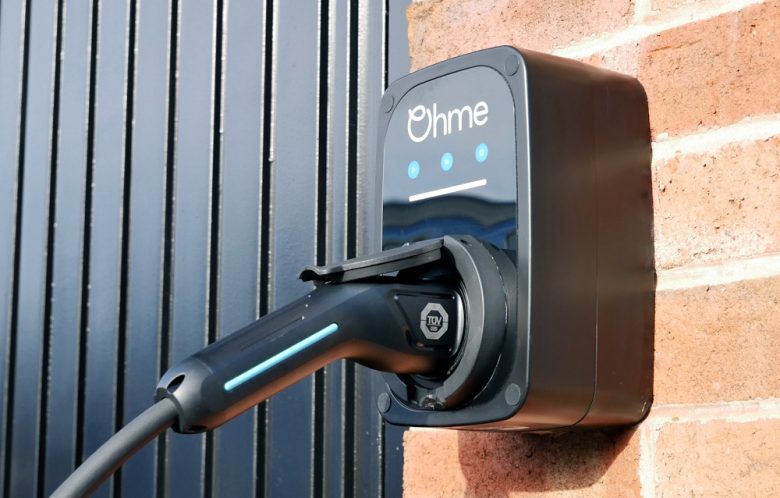


A Type 2 charging cable is something you might use every day for years if you charge from home or at work. Even if you only charged twice a week, you’re adding circa 100 cycles on to your cable each year. That kind of usage doesn’t put any significant strain on your Type 2 cable; these things are rated for thousands of cycles from the factory. Cosmetic wear and tear is also expected, so a non-issue. Chucking it into your boot is pretty safe, too.
Things that can reduce your EV cable’s lifespan include excessive and prolonged bending of the cable, letting the charging heads sit in water with the pins exposed, running your cable over, and dismantling the charging head shell, which not only impacts waterproofing from the factory but also voids your warranty with most cable makers.
I’ve prepped a guide to Type 2 charging cable longevity below. Have a read and if you have any questions just leave a comment.
What your cable is made of (and why it matters)
The outer sheath on a quality Type 2 cable is made from TPU, or thermoplastic polyurethane. It’s the European standard sheath material under EN 50620.
TPU is chosen because it resists abrasion, stays flexible in cold weather, and holds up well against UV exposure and moisture.
Cheaper cables sometimes use TPE (thermoplastic elastomer) instead. TPE is softer and lighter, but it degrades faster under sustained outdoor exposure.
Inside the sheath, the conductors are multi-strand flexible copper, rated to EN 60228 Class 5. Multi-strand copper bends easily without fatiguing.
At the connector end, the contact pins are copper alloy, typically silver-plated. Silver plating reduces electrical resistance and protects against corrosion.
Additional reading:
If you haven’t purchased a Type 2 cable yet, read our guide to three fantastic picks.
How long should a Type 2 cable last?
The connectors on a Type 2 cable are rated to IEC 62196, which requires a minimum of 10,000 mating cycles. That’s 10,000 plug-ins and removals.
If you charge once a day, that’s over 27 years of connector life before mechanical wear becomes a concern.
The cable itself, assuming a TPU sheath, is engineered to remain functional for 10 years or more with regular outdoor use.
In practice, most people will replace a cable because of cosmetic wear or a technology upgrade long before it fails electrically.
What wears out first
The silver plating on the connector pins is the first line of defence against corrosion. Over time, moisture exposure can wear it down.
Once the plating thins, the copper beneath is exposed. Copper oxidises, and oxidised pins create resistance, which generates heat during charging.
The sheath is the next area to watch. UV exposure causes TPU to lose elasticity and develop surface cracks over several years of permanent outdoor use.
TPE sheaths degrade faster in the same conditions. If your cable feels stiff or chalky after a couple of years, the material is likely TPE, not TPU.
Internal conductor fatigue is rare but can occur. Repeatedly coiling a cable too tightly puts stress on the copper strands near the connector entry point.
Warning signs to look for
Visible cracking or splitting on the outer sheath, particularly near the connectors where the cable bends most.
Discolouration or a chalky texture on the sheath surface, which indicates UV breakdown of the polymer.
Pins that no longer click firmly into the vehicle inlet or charger socket. A loose connection increases resistance and heat.
Intermittent charging sessions where your car starts and stops without explanation. Try a different cable to confirm the fault.
Scorch marks, discolouration, or any smell of burning around the connector housing. Stop using the cable immediately if you notice any of these.
How to get the most life from your cable
- Use the dust caps. Every Type 2 connector ships with rubber dust covers on the pins. They keep moisture and grit out when the cable isn’t in use.
- Store it off the ground. A wall-mounted EV cable holster or cable bag keeps the connectors dry and prevents the sheath from sitting in puddles.
- Coil it loosely. A wide loop puts far less stress on the copper strands than a tight wrap around your arm.
- Don’t bend your cable, get a longer cable length if needed.
- Wipe the pins down before storage if you’ve charged in the rain. Water sitting on exposed pins accelerates oxidation, even on silver-plated contacts.
Does amperage rating affect durability?
Type 2 cables are available in 16A (single-phase, 3.6kW) and 32A (single-phase 7.2kW, or three-phase 22kW) ratings.
A 32A cable uses heavier gauge copper conductors, which run cooler relative to the current they carry on a standard 7kW home charger.
Running a cable well within its rated capacity reduces thermal cycling. Less heat means less expansion and contraction of the materials over time.
If you have the option, a 32A cable on a 7kW charger gives you headroom and is likely to age more gracefully than a 16A cable at full load.
What to look for in a warranty
Warranty periods on Type 2 cables vary widely. Some manufacturers offer just 12 months. Others stretch to two years.
Our Type 2 cables come with a three-year warranty covering manufacturing defects. We believe that says something about the build quality.
When comparing cables, look for warranty terms that cover connector faults and insulation integrity, not just dead-on-arrival claims.
A longer warranty from a UK-based seller also means easier returns and faster resolution if something does go wrong.
Can you repair a Type 2 cable?
No. EV charging cables are sealed units and are not designed to be opened or modified. Doing so voids any safety certification.
If your cable shows signs of wear or electrical issues, replacing it is the only safe option.
The good news is that a quality replacement Type 2 cable is a modest cost relative to your overall EV running expenses. Here are the Type 2 cables I recommend if yours needs replacing.
Thanks for reading. Leave a comment if you have any questions.
