


British Gas offers two smart EV charging solutions - the compact EO Mini Pro 3 and the robust 7.4kW Alfen Eve S.
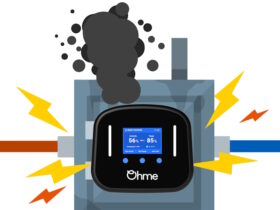
While regulations emphasise the importance of surge protection, they give homeowner’s the choice to opt out of an SPD during their EV charger installation.
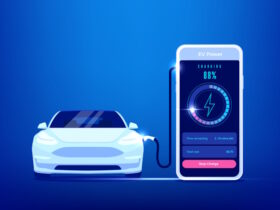
Smart chargers charge your electric car at home at a significantly faster rate than standard 3-pin sockets.
Is it worth getting a home charger for faster and safer charging?

Electric car owners face a £160 slap on the wrist for waltzing into central London without registering for the Cleaner Vehicle Discount.

The cost of running an electric car has become an important consideration for many people as the transition to electric motoring accelerates.
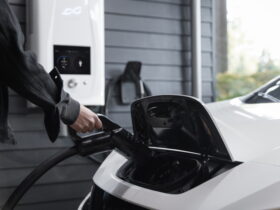
Home chargers typically use a secured connection over an encrypted wireless protocol such as Wi-Fi or Bluetooth.

Electric vehicles are cheaper and simpler to maintain than traditional cars. Thanks to fewer mechanical parts and efficient regenerative braking, there’s simply less to potentially go wrong.


Wireless EV chargers allow electric vehicles to charge their batteries completely wirelessly without the need for a physical cable connection.

Buying an electric car might not be top of your list, but hear us out: they aren’t as expensive as you may think.


If you’re learning to drive in an electric car this year, here are some things to keep in mind to make the process as easy as possible.

EVs rely on an electric motor for propulsion, so some models have specific tyre requirements to handle the extra load and torque.