


Before making the leap, it’s important to weigh up not just the obvious advantages but also the practical considerations that could influence your day-to-day experience behind the wheel.


Volvo Cars has launched a new business unit, Volvo Cars Energy Solutions, to capitalise on the vehicle-to-home opportunity as EV adoption grows exponentially.

You don't need a smart meter to install an EV charger, but you do need a smart meter to purchase an EV tariff - so it's worth getting one anyway.
EVs accounted for over 16% of sales, up from under 10% a year ago. This is remarkable growth given challenges. The direction is clearly towards EVs, even if the pace frustrates some.

The UK government has announced a £381 million Local Electric Vehicle Infrastructure Fund (LEVI).


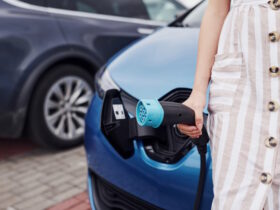
With EV chargers, the devil is in the details. Small decisions like charging capacity and cable length make a big difference in convenience and costs over time.

Installing an EV charger does not require rewiring your house. The electrical work is usually confined to creating the new circuit between the consumer unit and charger.

The UK has hit a significant landmark in its journey towards net zero emissions from road transport, announcing that there are now over 50,000 public electric vehicle (EV) chargers installed across the country.