
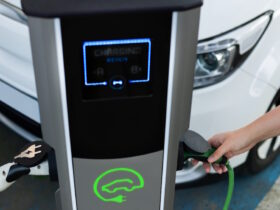
The state of Britain's public electric vehicle charging infrastructure continues to improve, with Tesla and Sainsbury's Smart Charge emerging as the standout performers in Zapmap's latest annual satisfaction survey.

Used electric cars offer an affordable entry point into the world of EVs, but scare stories about batteries going bad and costing thousands to replace put many people off.
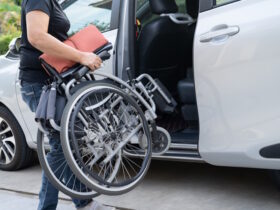
Electric wheelchair accessible vehicles (WAVs) are now a realistic option, with zero emissions, plus the ramps, lowered floors, and flexible seating configurations that make independent travel possible.

While some chargers are free, others will cost you.
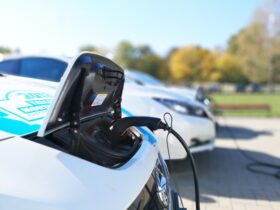
Canadian nanotechnology company Zentek has announced an exciting development in the lithium-ion battery space.
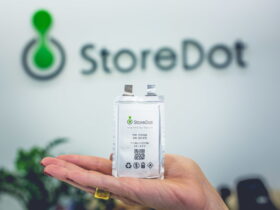
StoreDot intends to push the boundaries further, with its roadmap suggesting that by 2028 charging times could be down to just three minutes.

BT is exploring an innovative way to support the transition to electric vehicles in the UK by converting their unsightly green street cabinets into EV charging points.

Lithium-sulfur batteries offer several times the capacity of lithium-ion batteries - up to five times more - but they have a trade-off that makes them unviable.
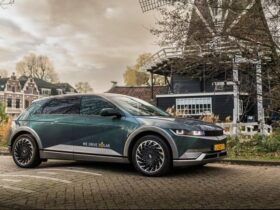
Power your house, charge another car, supplement the grid. Anything goes with V2X.

Upgrading your Ford truck with the right accessories can make it more functional, comfortable, and stylish.
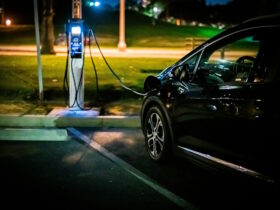
Not all chargers are created equal. At the most basic level there is Level 1, often called slow charging, which plugs into a standard three pin socket and adds only two to five miles of range per hour.


Paint Protection Film (PPF) has quickly moved from niche appeal to mainstream consideration among car owners.
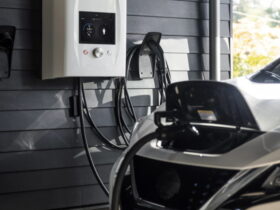
Nissan's battery research team is tasked with producing advanced EV batteries that have greater energy density than lithium-ion and a longer lifespan.

Relying on paper-based systems makes it far too easy for essential records to become misplaced, damaged, or buried under piles of other paperwork.