




If you’ve been driving electric in the UK for more than a couple of years, you’ll remember the early days of public charging.
Patchy coverage, unreliable chargers, apps that worked sometimes. That era is ending. And InstaVolt’s latest move is a good example of why.
Bigger operators, better chargers
InstaVolt has just agreed to take over 228 GeniePoint locations from Equans, pushing its total network past 1,200 sites.
What matters more than the headline number is what happens next. Every acquired site is getting new hardware, upgraded grid connections, and battery storage.
Smaller charging networks have always struggled with maintenance. A single broken unit at a two-charger site leaves you stranded and frustrated.
Larger operators can invest in reliability at a scale that smaller ones simply cannot match. InstaVolt claims over 99 percent uptime across its existing estate.
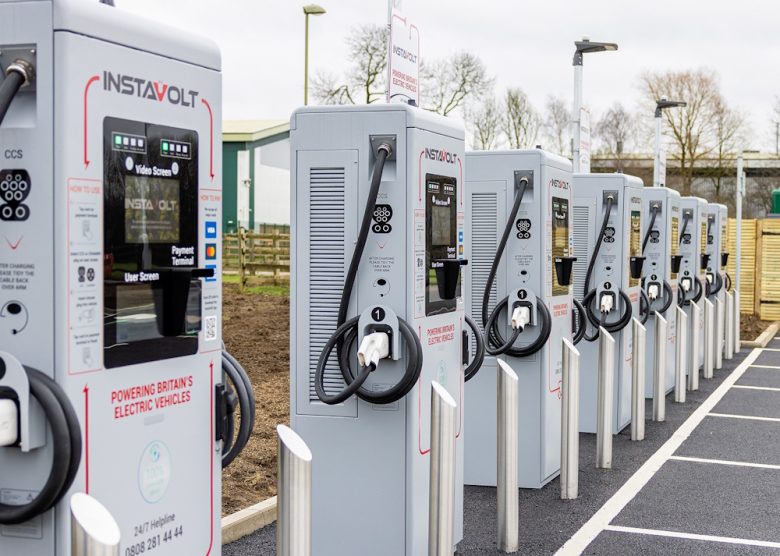
InstaVolt has opened a new ultra-rapid charging site at Giltbrook Shopping Park in Nottingham, just off junction 26 of the M1. The site features 16 chargers rated at 160kW each, including three accessible bays. With IKEA, M&S and Costa all on site, you can top up while you shop.
Why consolidation was always coming
Running a public charging network is brutally expensive. Grid connection costs alone can run into six figures per site.
Add ongoing maintenance, software, customer support, and the cost of keeping chargers operational 24 hours a day, and the margins are razor thin.
Smaller operators built early, often in less profitable locations, and many are now struggling to justify the upkeep.
Equans keeping its fleet and logistics business while offloading its public sites tells you where the easier money is.
For the rest of us, the outcome is positive. Sites that were underinvested get new life under an operator with deeper pockets.
What drivers should care about
Fewer networks doesn’t mean fewer chargers. In most cases it means more chargers in better condition.
InstaVolt is planning to increase the charger count at its newly acquired sites from around 260 to over 400. More bays, less queuing.
Contactless payment without subscriptions or memberships is also part of the package. You tap your card and charge. No app required.
Compare that to the experience on some older networks where you needed a dedicated RFID card or a separate account just to plug in.
The direction of travel is clear. Public charging is becoming simpler, faster, and more consistent.
Where your portable cable still matters
Ultra-rapid DC chargers like InstaVolt’s come with tethered cables. You pull up, plug in, and go. No cable needed.
But the UK still has thousands of untethered AC destination chargers at hotels, car parks, and workplaces. These are socket-only units.
If you arrive without a Type 2 cable, you’re not charging. It’s as simple as that.
Carrying a quality Type 2 cable in your boot means you’re covered wherever you end up, whether that’s a brand new Superhub or a quiet hotel car park.
The public network is getting better every month. Making sure you’re equipped to use all of it is still on you.
Via: InstaVolt
