


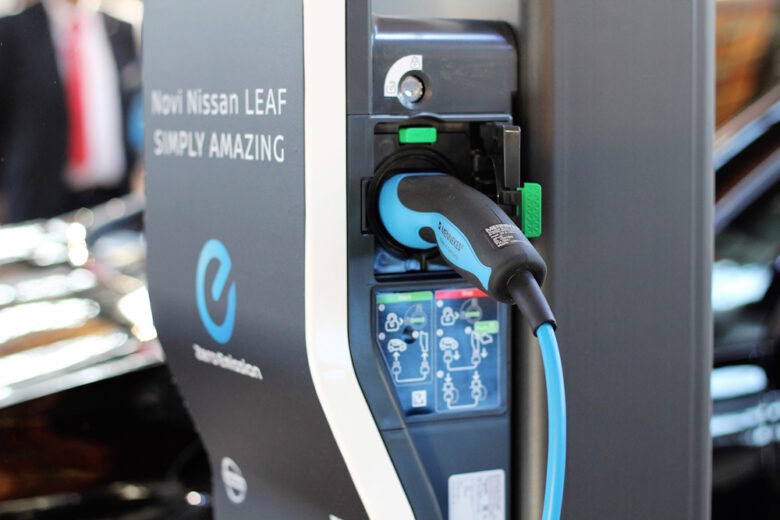


The UK Government has committed £100 million over two years to reduce the cost of charging at lower-powered public chargers, targeting the on-street and residential chargers that many EV drivers rely on daily.
An independent review commissioned after Budget 2025 found that average public charging prices have risen sharply since 2021. Lower-powered chargers (the type found on residential streets and in local car parks) have increased by 69% in real terms. Higher-powered chargers at motorway services and forecourts have risen by 94%.
The funding, announced at Budget 2026, is expected to save drivers who depend on local public chargers around £150 per year. Around a third of UK households lack off-street parking, meaning they cannot install a home wallbox and have no access to cheaper domestic electricity rates for charging.
Alongside the funding, the Government is launching a “tariff porting” taskforce to explore whether drivers could use their home energy tariff at certain public chargers. If that proves workable, it could significantly narrow the cost gap between home and public charging.
Planning permission for cross-pavement chargers (cables running under pavements from homes to vehicles) has also been removed as of October 2026, saving drivers up to £300 on installation.
Source: Gov.uk.
