


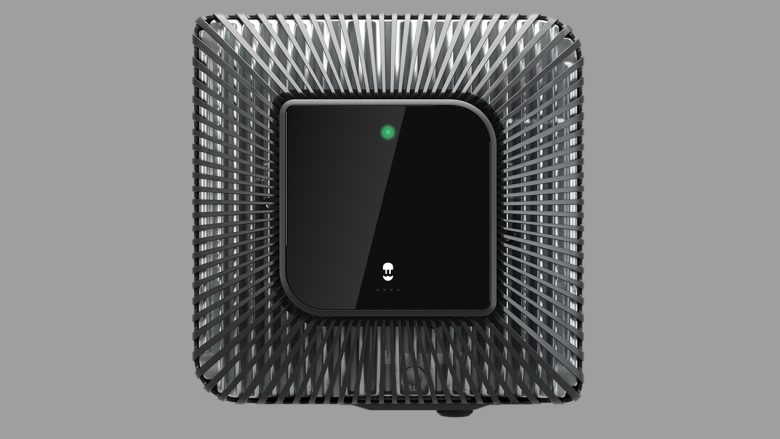


Vehicle-to-something-or-other is nothing new. It effectively takes energy from your electric car and feeds it into something else. For V2G, or vehicle-to-grid, that ‘something else’ is the grid, where the electricity pools into all the other electricity running around.
The idea’s simple enough. Your EV battery holds enough energy to run your home for two days, then sits unused on the driveway for most of its life. V2G changes that.
Vehicle-to-grid lets your car sell power back to the grid at peak times and earn you money, or charge for free. In 2026, you can finally do it for real.
What V2G actually does
A normal charger only pushes power into your car. A bidirectional setup lets the car push power back out, into your home or the grid.
The money comes from timing. Your car charges overnight when electricity is cheap, then exports during the early evening peak when prices are highest, and a supplier pays you for it.
Three terms get muddled, so here is the split. V2L plugs appliances into the car, V2H runs your house from it, and V2G feeds the grid for cash.
Watch for one catch with V2G. It needs G99 grid code certification for the car, charger and installer, whereas V2H does not.
Which cars support V2G right now
A big battery is not enough on its own. The bidirectional hardware has to be built into the car itself, and most models still lack it.
Four vehicles are confirmed and live on a UK tariff today, all via Octopus Power Pack: the Nissan Leaf, the Nissan e-NV200, the Mitsubishi Outlander PHEV and the BYD Dolphin. The first three use the older CHAdeMO connector paired with a Wallbox Quasar v1.
Nissan has run UK V2G trials longer than anyone. The Leaf also sits on the Electric Car Grant list, qualifying for up to £3,750 off and making it a cheap way in.
The BYD Dolphin is the one that matters most for newcomers. It is the first car sold here with native V2G built in, working over CCS2 with a simpler AC-style setup rather than pricey early DC kit.
The Kia EV2 is the next big arrival, and it is no longer a distant promise. Priced from around £24,245 with V2G and V2L standard across the range, the Air trim entered production in June 2026, with deliveries from summer.
A wider group has bidirectional hardware in some form but is not yet on a live UK V2G tariff. That list includes the Kia EV9, the Volkswagen ID family (77kWh versions, via an over-the-air update), the Renault 5, the Hyundai IONIQ 5 and the Volvo EX90.
These should come fully online as CCS2 infrastructure matures over the next year or two. Renault’s energy arm Mobilize is also extending its V2G service to the UK, which should activate the Renault 5 and related models.
One key exclusion: Tesla supports neither V2H nor V2G through any third-party charger. It steers owners towards its Powerwall home battery instead.
The charger: where the money goes
A standard smart charger costs roughly £700 to £1,200 installed. Bidirectional kit costs more, but the gap has narrowed sharply over the past year.
There are two camps. DC bidirectional chargers like the Wallbox Quasar 2 talk straight to the battery and can export today, but cost around £6,100 before installation.
The Quasar 2 carries catches beyond price. It is currently UK pre-registration only rather than openly on sale, and it is not OZEV-approved, so the £500 grant does not apply.
AC and “V2G-ready” chargers are the smarter route for most people. These rely on the car’s own inverter, which keeps the wallbox simpler and far cheaper.
The Zaptec Go 2 launched here in September 2025 as the first V2G-ready AC charger on general sale. It costs around £500 to £707, handles up to 22kW on three-phase, and updates over the air.
The NexBlue Point 2 undercuts it slightly at about £530. Both are OZEV-approved, so eligible renters, flat owners and on-street parkers can put the £500 grant towards one.
The clever part is the future-proofing. These AC units charge your car normally now and switch on bidirectional charging via a firmware update once your car unlocks it.
For most buyers specifying a charger today, that is the sensible hedge. You keep the option of V2G later without spending £6,000 on DC hardware upfront.
The tariff: getting paid
Hardware alone earns you nothing. You need a tariff that rewards export, and the headline option is Octopus Power Pack, which Octopus calls the UK’s first mass-market V2G tariff.
It bolts onto your normal import tariff. You keep paying your usual rate for household power, while Octopus charges the car when energy is cheapest and exports when the grid needs help.
Your EV charging then gets credited back, so it ends up effectively free. Octopus estimates a typical V2G driver, on 7,500 miles a year, saves around £620 against a standard variable tariff.
That figure is tied to its assumptions. The gap against a smart tariff like Intelligent Octopus Go is smaller, roughly £161, and narrowed further after Go’s off-peak rate dropped in April 2026.
There are conditions worth reading closely. To guarantee free charging you generally plug in often, stay within a usage cap, and hold export permission, so it suits regular at-home plug-in patterns.
The simplest entry point is the Power Pack Bundle at £300 a month. It packages a leased BYD Dolphin, a Zaptec Pro charger, install and tariff with no upfront hardware cost.
The hurdles you need to know
Three things can slow you down. First, G99 grid approval: anything exporting above 3.68kW needs network operator sign-off, which takes 30 to 60 working days.
There is good news here. UK Power Networks introduced automatic V2G approval in early 2026, speeding things up across London, the East and the South East.
Second, the standard is still settling. CHAdeMO is being phased out for CCS2, so check that a Leaf-bound charger supports CHAdeMO bidirectional before you commit.
The maturity gap is real. Of 14 UK type-testing applications for bidirectional chargers, 11 reportedly failed, which shows how young the ecosystem still is.
Third, battery worry, which is largely overblown. Trial data shows controlled, scheduled V2G discharge does not meaningfully accelerate degradation, because the battery management system protects cell health throughout.
Is it worth it in 2026?
If you have a BYD Dolphin or Nissan Leaf and plug in often, the Octopus Power Pack route stacks up well. The bundle also removes the upfront hardware risk entirely.
For everyone else, the honest play is patience. Buy a V2G-ready AC charger like the Zaptec Go 2 now, charge on a cheap overnight tariff, and switch bidirectional on later.
Paying £6,000 for a DC unit today only makes sense with a compatible car and patience for approvals. The pieces missing a year ago, an affordable charger, a mainstream car and a paying tariff, now all exist.
